


The Difference Between Empathy and Compassion
by Sylvie Olivier
In a world where emotions and human relationships play a central role, it is essential to understand the nuances between empathy and compassion. These two concepts are often confused, but they differ fundamentally in their nature and their impact on our well-being.
Empathy: A Deep Connection, but an Emotionally Heavy One
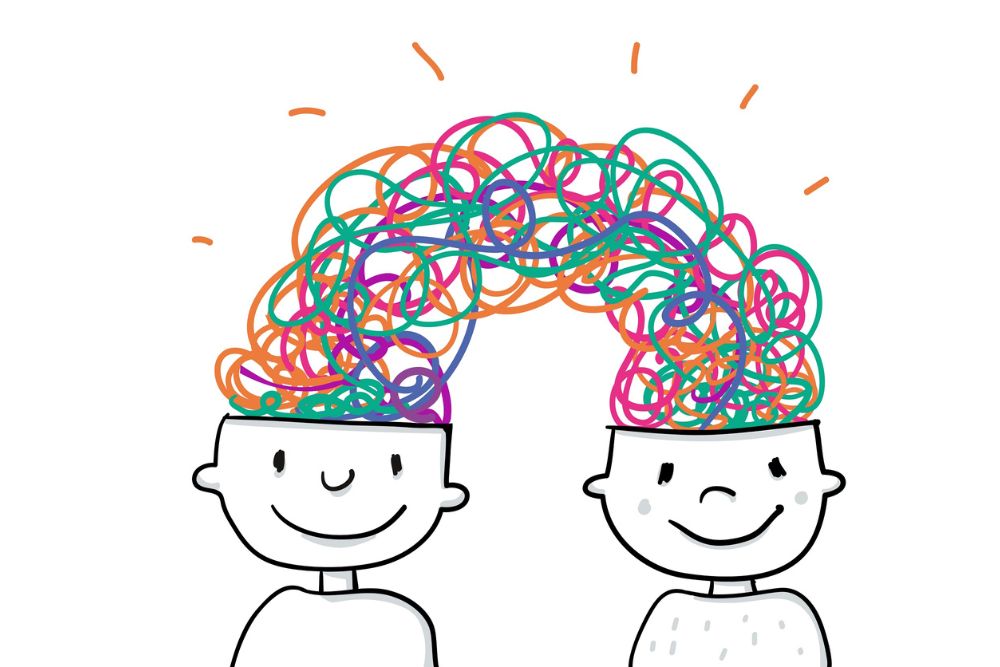
Empathy refers to the ability to understand and feel the emotions, thoughts, and experiences of others by literally putting oneself in their shoes. It is a widely recognized skill that allows us to share in the emotions of those around us.
However, this immersion in another person’s emotional world comes at a significant cost. When we adopt an empathetic stance, we often bring part of the other person’s emotional burden. This burden can become overwhelming and lead to emotional exhaustion or a feeling of being overwhelmed. This illustrates a crucial difference between empathy and compassion: while empathy can trap us in the pain of others, Compassion offers a liberating perspective.
Compassion: Love in Action and Emotional Freedom
Compassion is a quality of the heart that transcends mere emotional sharing. It is completely neutral and rests on three fundamental steps:
- Recognizing the situation as it is: compassion begins with a clear and objective observation of what is happening, without attempting to minimize or exaggerate reality.
- Letting go of judgment and expectations: Unlike empathy, compassion does not involve taking on the other person’s emotions or seeking a specific outcome. It is based on a deep embrace of the situation, without prejudice or a desire for control.
- Opening up to greater possibilities: Compassion invites us to embrace something greater than we could ever imagine, allowing us to remain connected to a broader dimension of love and openness.
In essence, compassion is love in action. It invites us to live in complete freedom. When we are in a state of Compassion, there is neither judgment nor fear of judgment. This absence of judgment is key, because as long as there is judgment, we are not truly free.
Unlike empathy, which is linked to the mind, compassion comes from the heart, embodying a deeper and more intuitive connection.

The Benefits of Compassion Compared to Empathy
While empathy can connect us to others, it can also leave us emotionally drained. Compassion, on the other hand, allows us to be present and caring without absorbing the other person’s emotions. It offers a more balanced and energetically sustainable way of interacting with the world.
By cultivating compassion, we learn to view situations with clarity, to assist others in an authentic way, and to create a space of love and acceptance. It is an invitation to move toward a life of Plenitude and freedom, where we honor our humanity while inhabiting our space.
In conclusion, although empathy and compassion are two forms of human connection, their dynamics differ considerably. Empathy, while useful, can sometimes weigh us down, whereas Compassion uplifts and liberates us. By adopting a compassionate approach, we can not only better support others but also cultivate a state of balance and inner peace.